
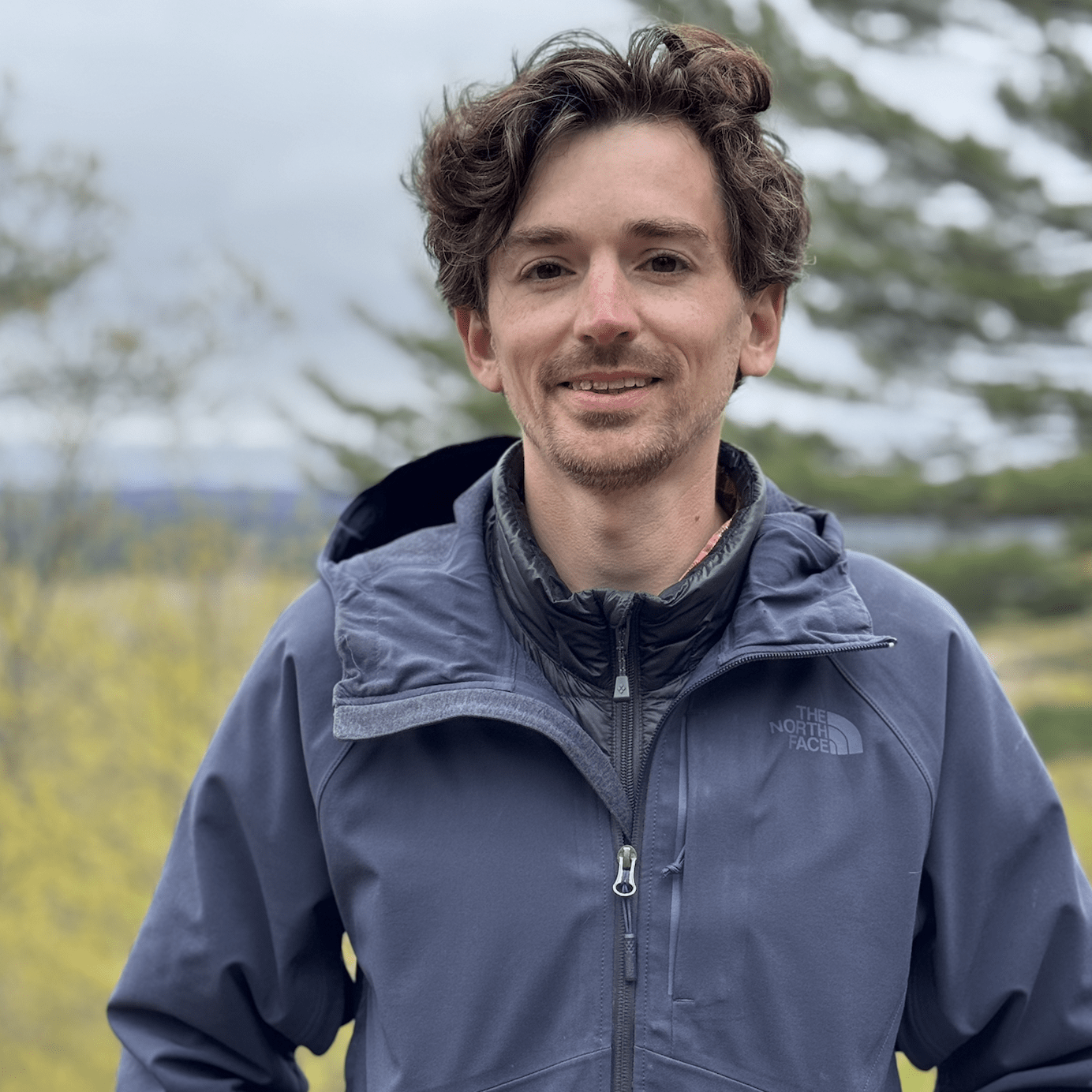
Jeremy Johnson
Kona Hills Campground
Jeremy Johnson is an outdoor hospitality developer and entrepreneur based in Michigan’s Upper Peninsula. He is the co-founder and operator of Kona Hills Campground, a 40-site campground in Marquette County designed around trail connectivity, recreation access, and sustainable outdoor tourism development that supports local residents and communities.
Before entering the outdoor hospitality space, Jeremy spent more than 15 years working in digital marketing, software, and retail. He has led growth strategies for software startups and multi-location retail businesses. Jeremy also brings more than a decade of experience in real estate development and investment, with projects spanning residential, multi-family, commercial and properties. That background ultimately led him to scale up to the campground model, where purpose-built accommodations can better align tourism growth with community sustainability.

All Sessions by Jeremy Johnson
3:15 pm
-
4:00 pm
Park Bench
Funding Sustainable Outdoor Communities
Michigan's trail towns are booming. Visitors are flooding in. But there's a catch: the taxes those visitors pay only fund marketing, not the roads, trails, and emergency services their visits actually wear down. Residents are left covering the difference through property taxes. This session asks a simple question: what if tourism dollars paid for tourism's real costs? We'll look at how Kent County expanded its lodging tax under House Bill 5048, and what new bills (HB 5138, 5139, and 5140) could mean for the rest of the state. The idea is to let lodging taxes fund the infrastructure and amenities that make a destination worth visiting in the first place, not just the ads that bring people there. We'll also tackle an outdated blind spot: lodging taxes usually only apply to hotels and motels. But today's travelers are staying in campgrounds, RV parks, cabins, and Airbnbs, places that pay nothing into the system while putting real pressure on local infrastructure. It's time the tax caught up with how people actually travel. This session isn't about whether tourism growth is good or bad. It's about making sure the places people love to visit can still afford to be great places to live.
3:15 pm
-
4:00 pm
Park Bench
Funding Sustainable Outdoor Communities
Michigan's trail towns are booming. Visitors are flooding in. But there's a catch: the taxes those visitors pay only fund marketing, not the roads, trails, and emergency services their visits actually wear down. Residents are left covering the difference through property taxes. This session asks a simple question: what if tourism dollars paid for tourism's real costs? We'll look at how Kent County expanded its lodging tax under House Bill 5048, and what new bills (HB 5138, 5139, and 5140) could mean for the rest of the state. The idea is to let lodging taxes fund the infrastructure and amenities that make a destination worth visiting in the first place, not just the ads that bring people there. We'll also tackle an outdated blind spot: lodging taxes usually only apply to hotels and motels. But today's travelers are staying in campgrounds, RV parks, cabins, and Airbnbs, places that pay nothing into the system while putting real pressure on local infrastructure. It's time the tax caught up with how people actually travel. This session isn't about whether tourism growth is good or bad. It's about making sure the places people love to visit can still afford to be great places to live.