
Morning Meet-Ups
Connect with fellow attendees and move your body before settling in for a day of learning. Participants must meet promptly at 8AM, in front of the Lodge at Timber Ridge. Lace up for a leisurely ~2-mile hike on the Vasa Trail, sponsored by Giant Mouse Knives. Or unrack your wheels for a quick ride on the Vasa Trail, sponsored and led by Northern MI Mountain Bike Association.
Registration, Coffee Bar + Founder's Fair
Check-in, grab your badge, and swag bag. Enjoy the coffee bar provided by Aldea Coffee. Meet Michigan-based founders + network with fellow attendees.
Welcome from Land of Outsiders
Opening remarks from Land of Outsiders and Michigan Department of Natural Resources.
State of the Outdoors
The stakes are real, and they hit close to home. Michigan's open spaces generate billions in outdoor recreation revenue, support thousands of jobs, and define the quality of life that makes this state worth fighting for. With federal funding under pressure and conservation programs being scaled back, the question facing our industry isn't whether to care. It's how to act. Paul will share why access to nature matters, what's at stake for Michigan's outdoor economy, and how brands, organizations, advocates, and outdoor enthusiasts can all get involved.
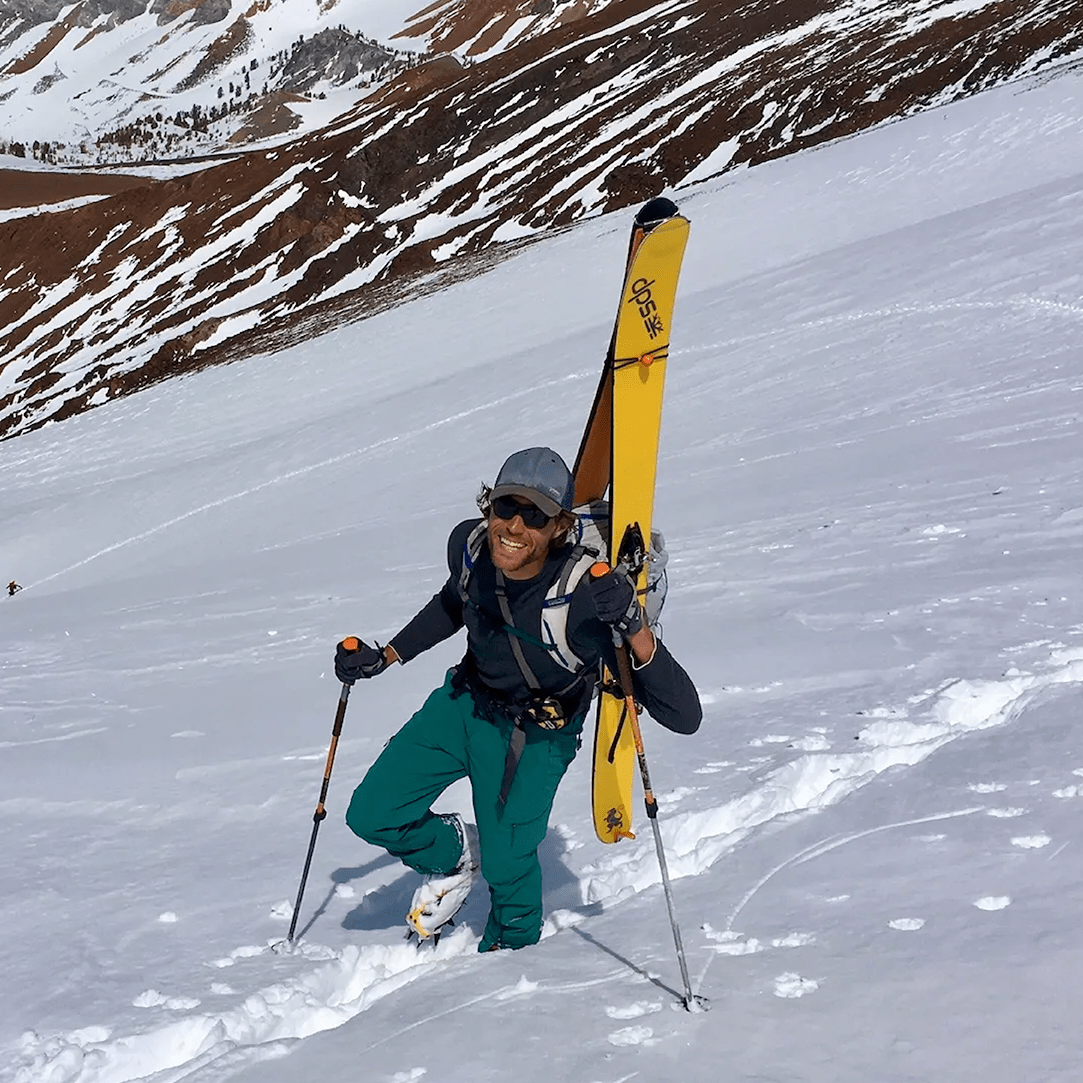 Paul Hendricks
From Store to Shore
Michigan's public lands are fueling more than recreation. Listen in on a panel of statewide and national voices on how outdoor recreation drives jobs, businesses, tourism, and spending across the state. Panelists will explore the connections between conservation, consumer behavior, and community economic growth, offering attendees a clear and optimistic look at what's next for Michigan's public lands and the economies they support.
Paul Hendricks
 Cara Cross
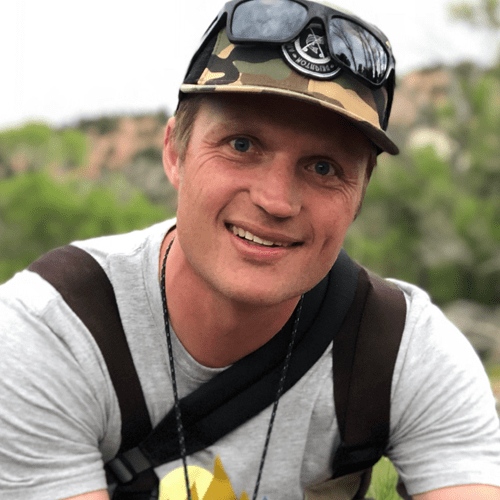 Pitt Grewe
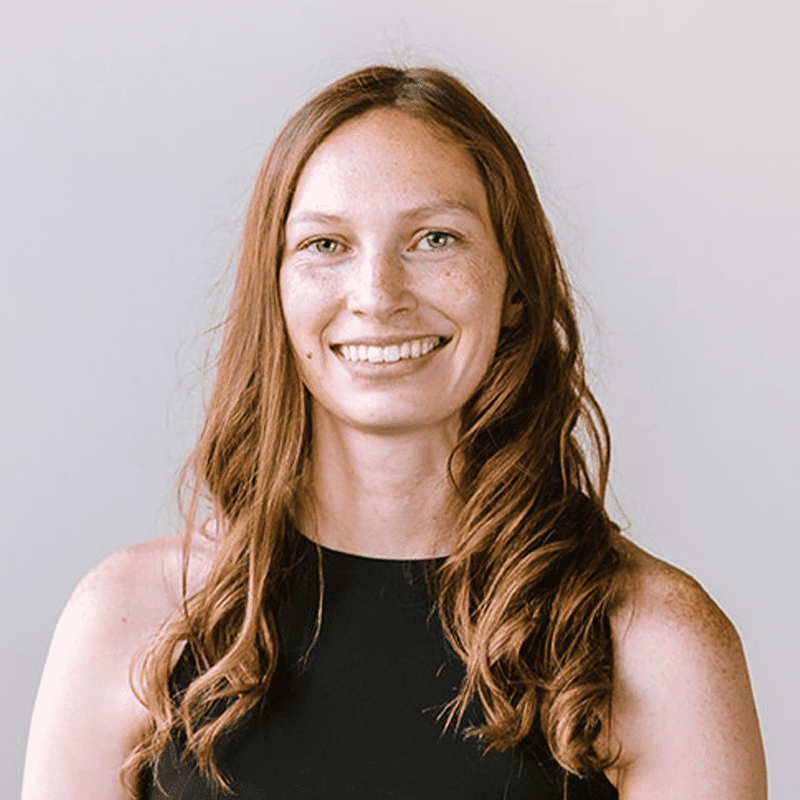 Anna Lee
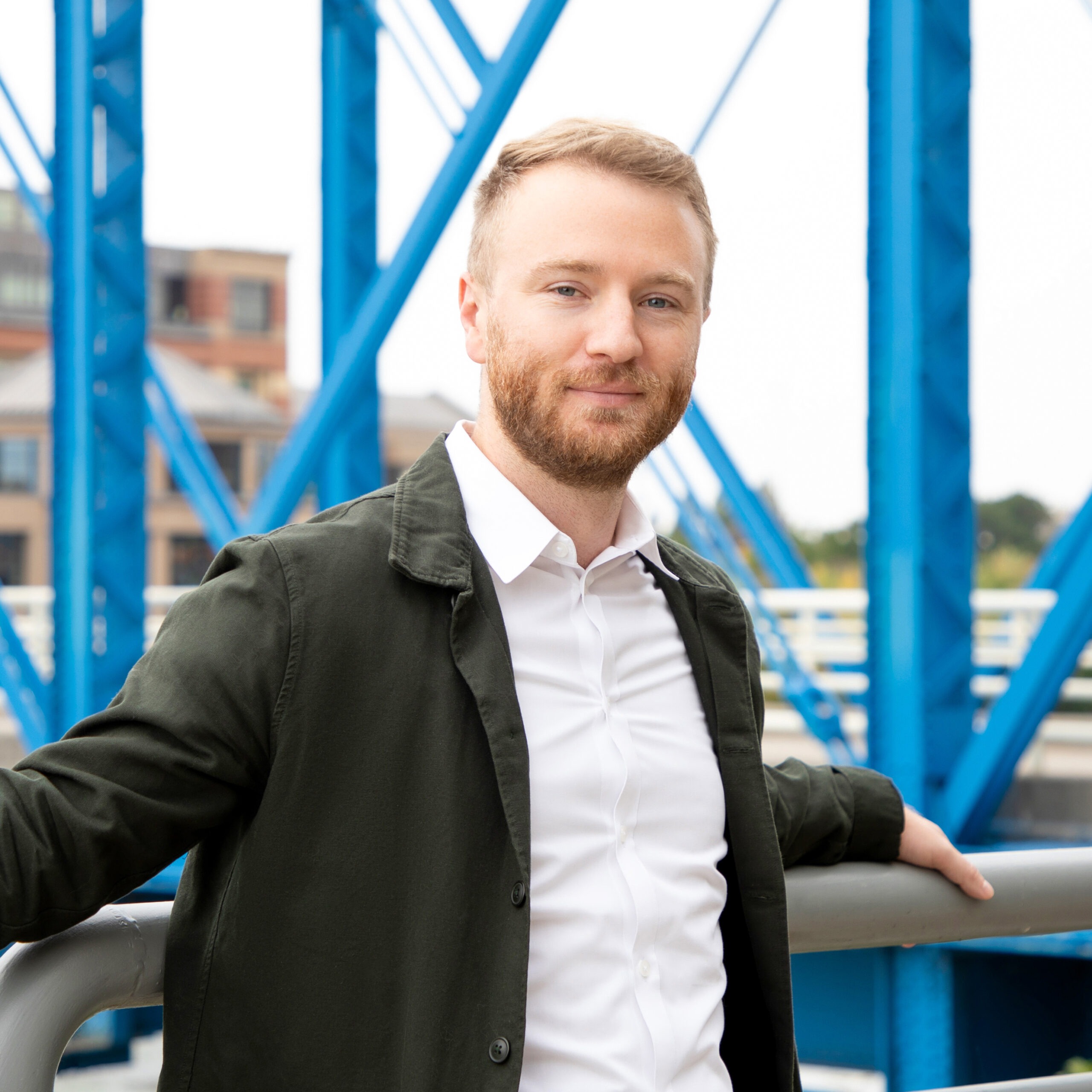 Ryan Gajewski
Lunch Break + Founder's Fair
Grab some food, network, and connect with Michigan-based founders.
Beyond Tourism: Outdoor Recreation as a Community and Economic Development Strategy
Michigan communities are investing in parks, trails, and outdoor recreation. But what if these became more than amenities, and instead formed the backbone of an economic development strategy? That's what Jackson County is testing through Drive Jackson, a 20-year community vision shaped by input from over 1,300 residents. Residents loved their lakes, trails, and parks, but many didn't fully know or connect with these assets. The answer wasn't more amenities. It was better connection to what already existed. Jackson County is now executing on that insight through a coordinated set of initiatives: a Quality of Place Dashboard, an Outdoor Recreation Accelerator for recreation entrepreneurs, a countywide recreation brand and digital platform, and Build In Jackson, a leading homeownership-based talent attraction program. Build In Jackson pairs homebuying assistance with a curated introduction to local lakes, trails, parks, and businesses, including a free bike or kayak. This session shows how any community can activate its existing assets to build identity, attract talent, support entrepreneurs, and drive long-term economic resilience. Attendees will leave with practical strategies for place-driven economic development.
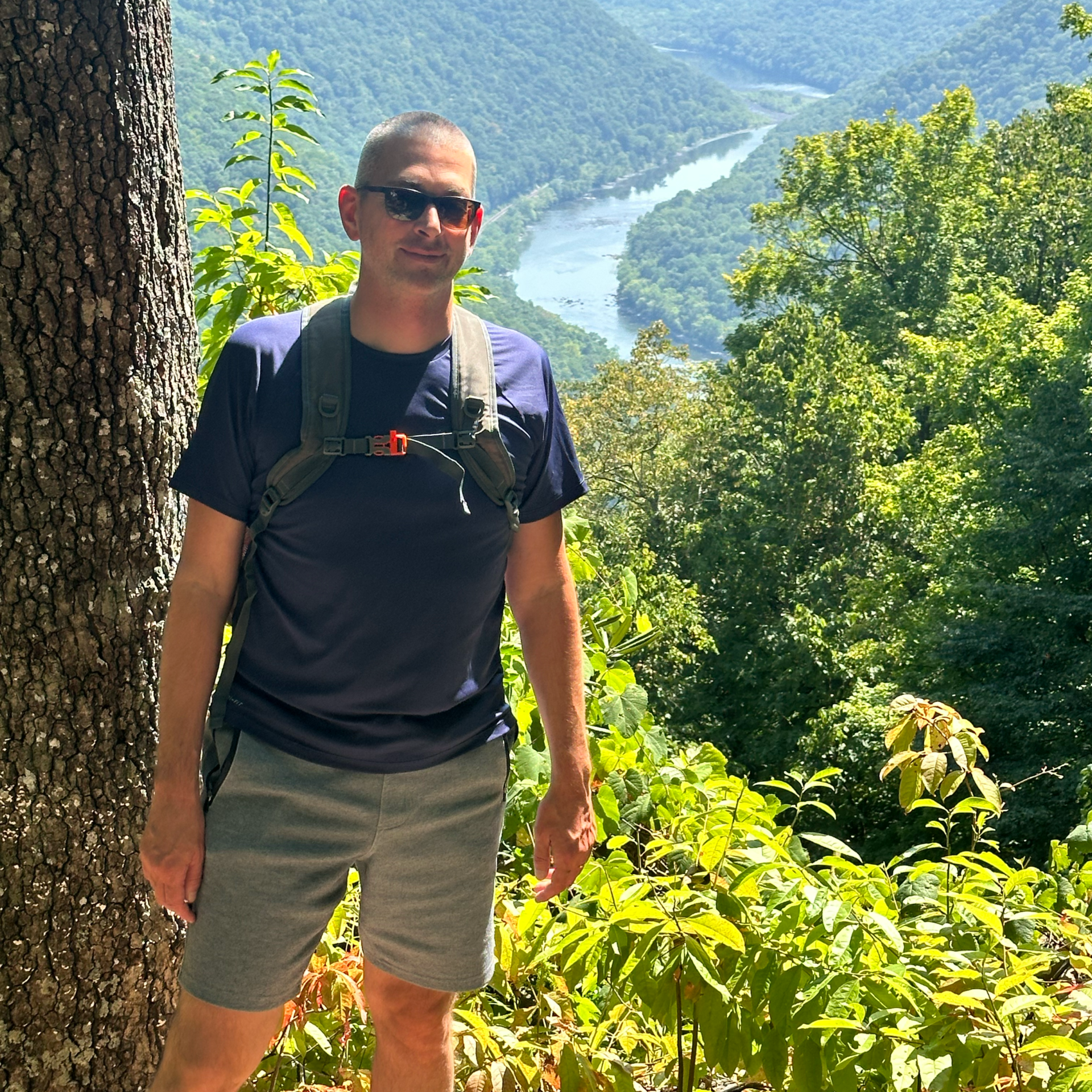 Ryan Tarrant
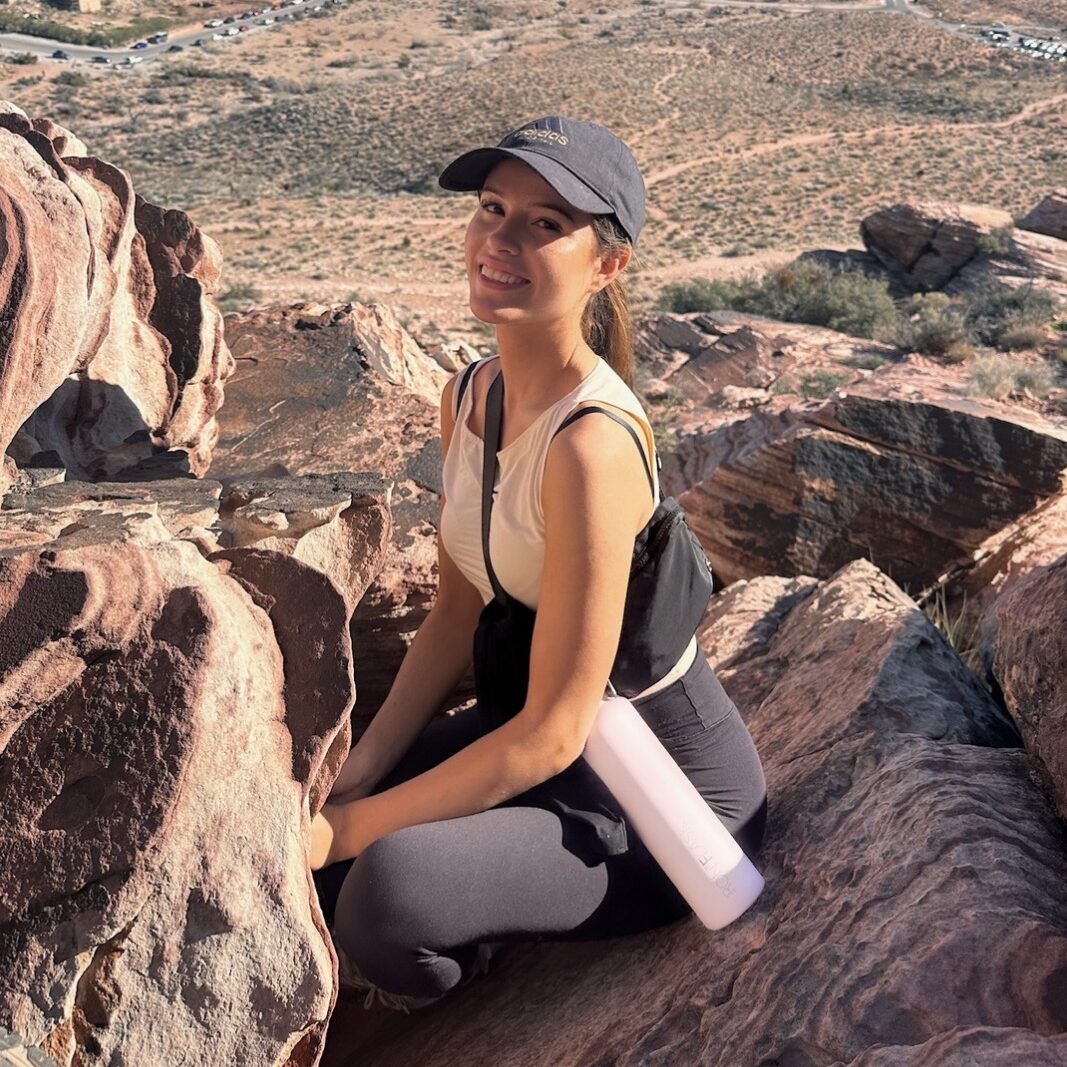 Alexie Milukhin
We Are Our Founding Fathers
America was founded in 1776 under the principle that all men were created equal. Sometimes, in our American story, we fail to live up to that principle. Although we may fall short, we’ve been continuously striving to live up to the principles established by our founding fathers. This constant drive towards equity gives us hope for a better nation. It also shapes our work in the outdoors. We’ve sometimes fallen short, but we will do better. But have we really fallen short? Using 1776 as our north star hasn’t actually helped us build an equitable outdoors. Instead, 1776 is preventing us from creating one. During America’s 250th anniversary, this session revisits the 1776 narrative. It re-examines who our founding fathers are and outlines a new model of outdoor inclusion modeled after leaders of a different era.
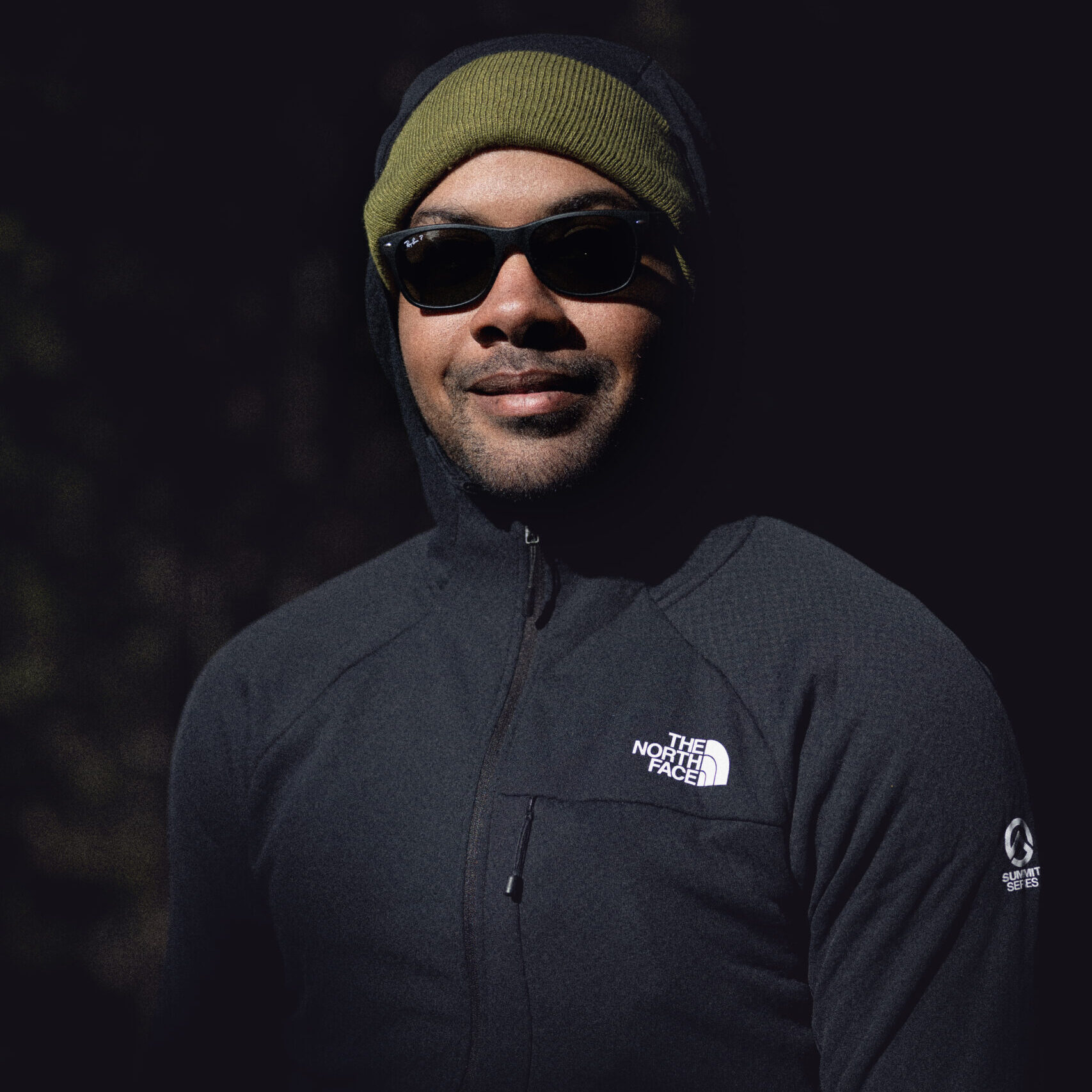 Brandan Freeman
From Consultation to Co-Creation
Collaborative work is hard work, but it is necessary for a project to be authentic and meaningful. Using the City of Marquette Cultural Trail as the case study, participants will see why collaboration is worth the effort. Along seven miles of Lake Superior shoreline in Marquette, MI, the Cultural Trail is a storytelling project that uses public spaces, narrative, artwork, and history to connect us more deeply to the water, land, and one another. This session explores how to cultivate and nurture partnerships that become your network of support. We will discuss how to embrace the strengths of a multi-sector leadership table and move beyond 'consultation' towards 'co-creation'. Participants will learn to identify the stewards of a place and activate them by sharing ownership rather than working in silos. We will discuss how to observe what already exists so that projects build up, not parallel. This session will ask participants to self-reflect on who sits at your leadership table, which voices are missing from the conversation, and who might complicate your project in productive ways? No matter the project specifics, meaningful stewardship and effective conservation requires collaborative work. Join us to discuss how to leave room in your plan for the beautiful interruptions and foster community investment that lasts long after the ribbon-cutting.
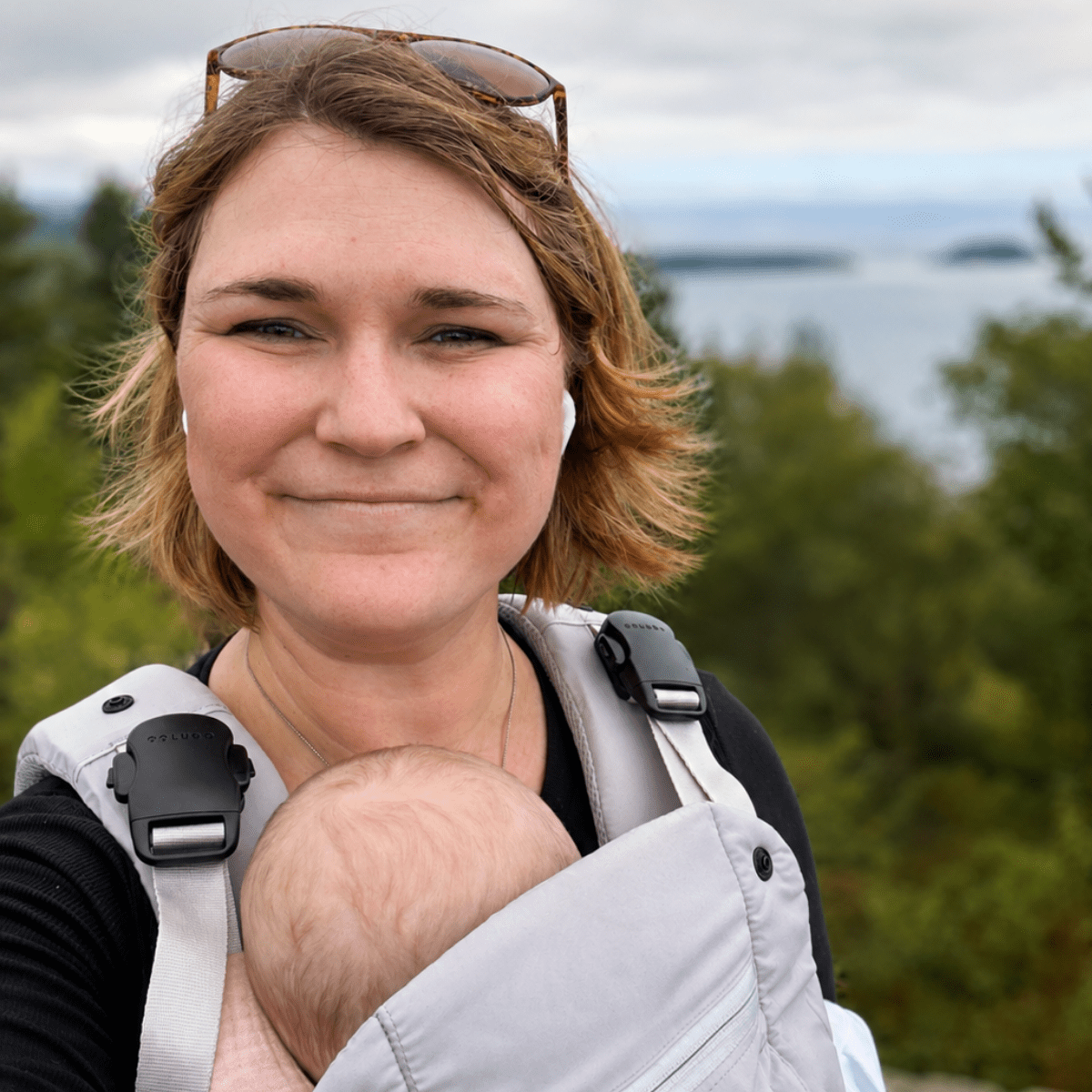 Amelia Pruiett
 Andie Balenger
 Jacquie Medina
 Kathleen Henry
Nowhere to Go But Up
Backcountry skiing and splitboarding are the fastest growing segment of the ski industry, and Michigan is no exception. This session traces a line from Michigan's original ski pioneers, who climbed snow covered hills on foot long before chairlifts existed, to today's growing community of human powered skiers and riders. Learn about the gear, technique, and the safety and education practices that keep the sport sustainable as more people discover it. Come away with a clearer picture of how backcountry skiing blends elements of cross country and downhill skiing, how it can support local economies, and where the real opportunities lie for partnership between public land managers, non-profits, and the backcountry community.
 Matt Emeott
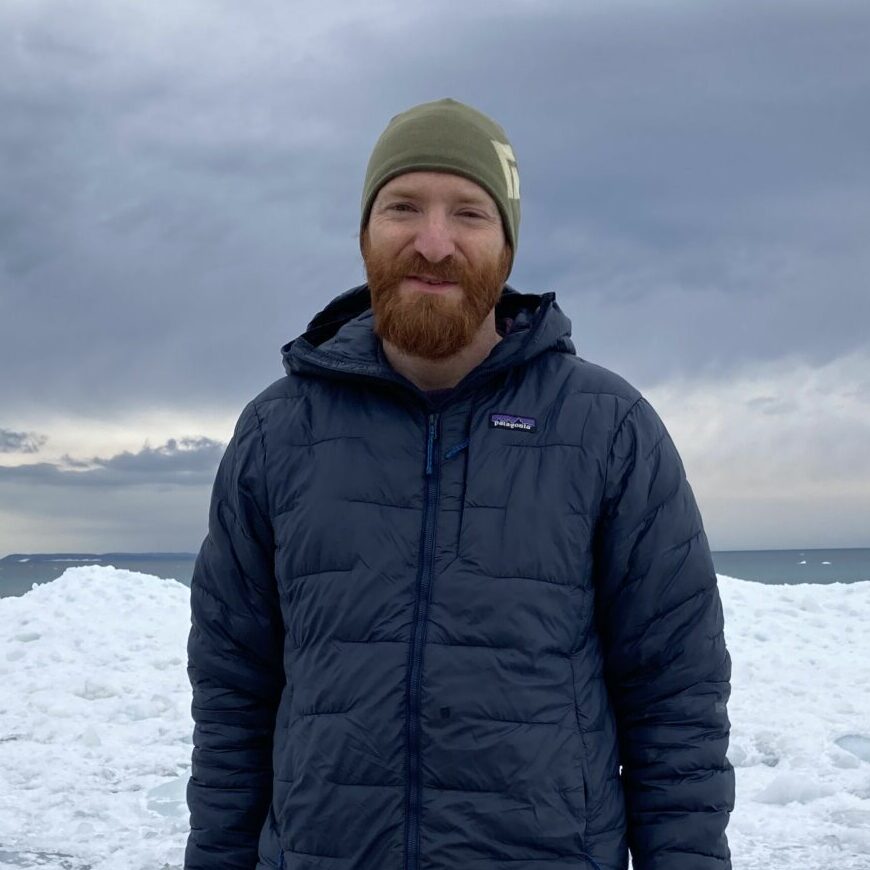 Caleb Garone
When ‘Rippin’ it in the Rental’ Wreaks Havoc
Michigan depends on tourism. Our lakes, forests, trails, and small towns generate billions in economic activity and support thousands of local jobs. But every summer the same question quietly surfacing across outdoor communities: “How do we keep sharing this place without slowly destroying what makes it special?” From damaged shorelines and littered campsites to overcrowded trail systems and the “rip it in the rental” mentality, tourism leaves a mark — environmentally, culturally, and operationally. Yet shutting people out is neither realistic nor desirable. This session explores the tension between access and stewardship through the lens of outdoor recreation businesses, tourism operators, and local communities. We’ll examine how transient visitors interact differently with land they don’t own, why traditional messaging often fails, and how businesses can intentionally design experiences that create responsibility instead of consumption.
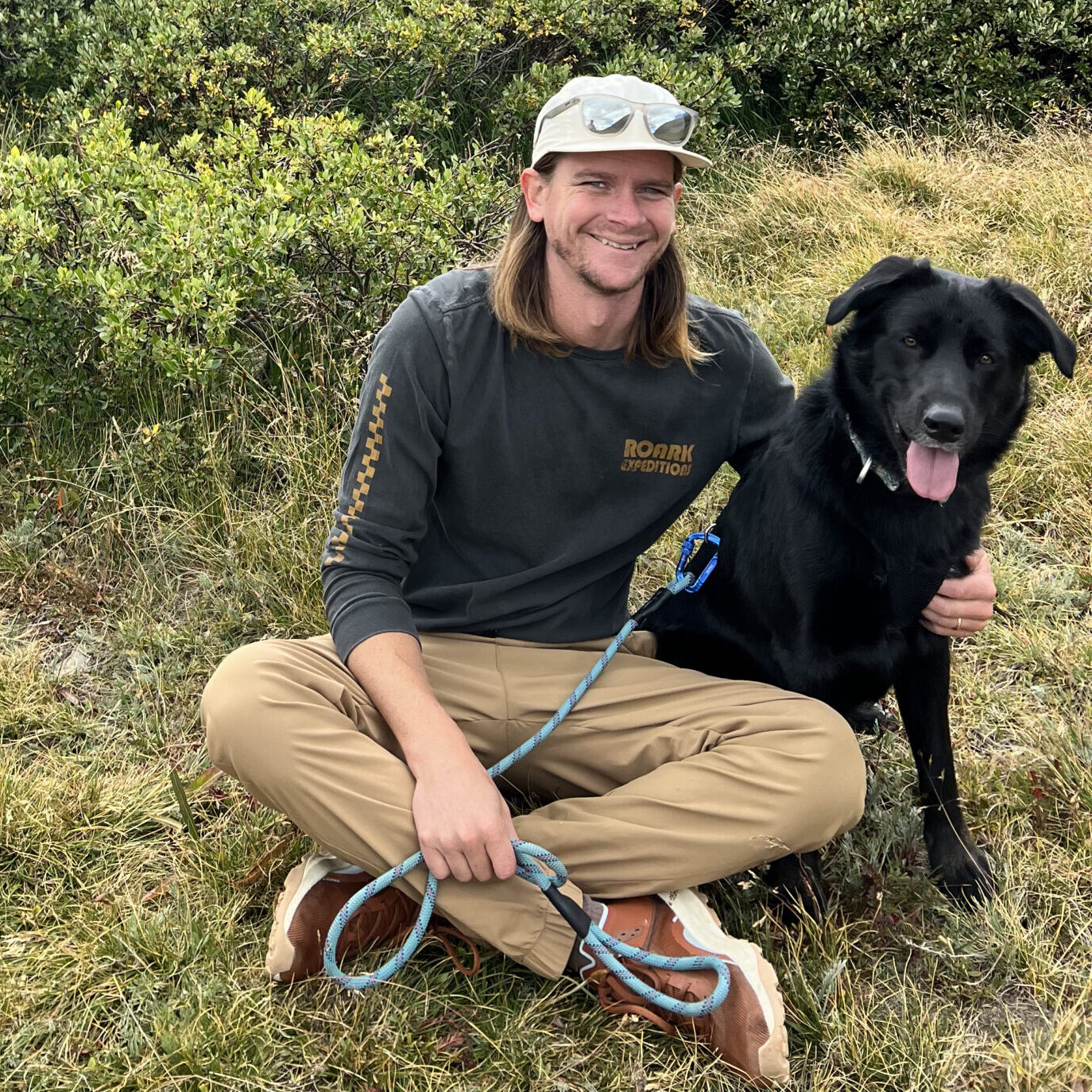 Kylen Blom
Power of Nature to Heal
Nature has long been recognized as a source of healing, but its full power is often reduced to just one dimension at a time: a walk for physical health, a moment of calm for the mind. This panel brings those threads together, exploring how the outdoors heals us physically, mentally, and spiritually, and why all three matter.
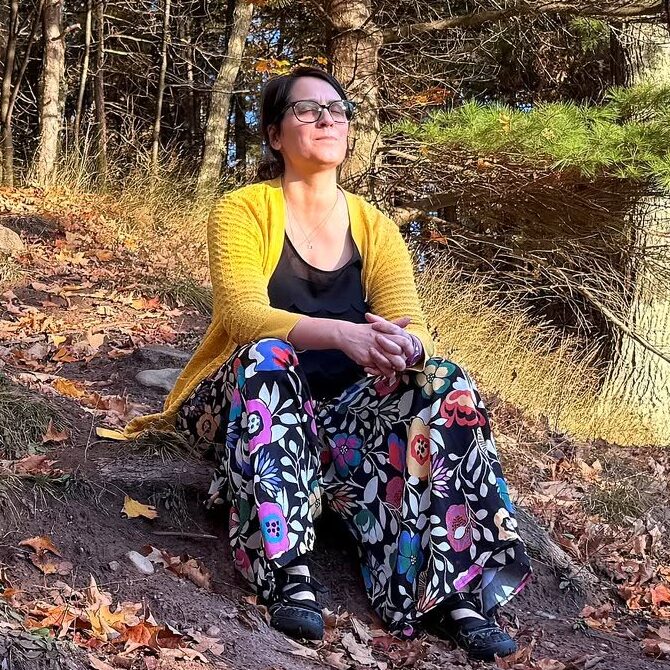 Lanni Lantto
 Stacy Bare
 Megan Motil
Stewardship Through Hunting, A Love Story
Deer overbrowsing is stripping habitat value from Washtenaw County’s parks and conservation lands, undoing years of stewardship work. In response, Washtenaw County Parks partnered with the DNR’s Becoming an Outdoors Woman program to build a mentoring pipeline that turns interested women, at any experience level, into confident hunters. The program combines training, community building, and a full season of guided hunts, resulting in harvest numbers significant enough to give overbrowsed habitats room to recover. Hear about the partnerships, planning, and logistics behind this program, along with what it takes to recruit new hunters in ways that strengthen both healthy natural areas and the state’s recreation economy.
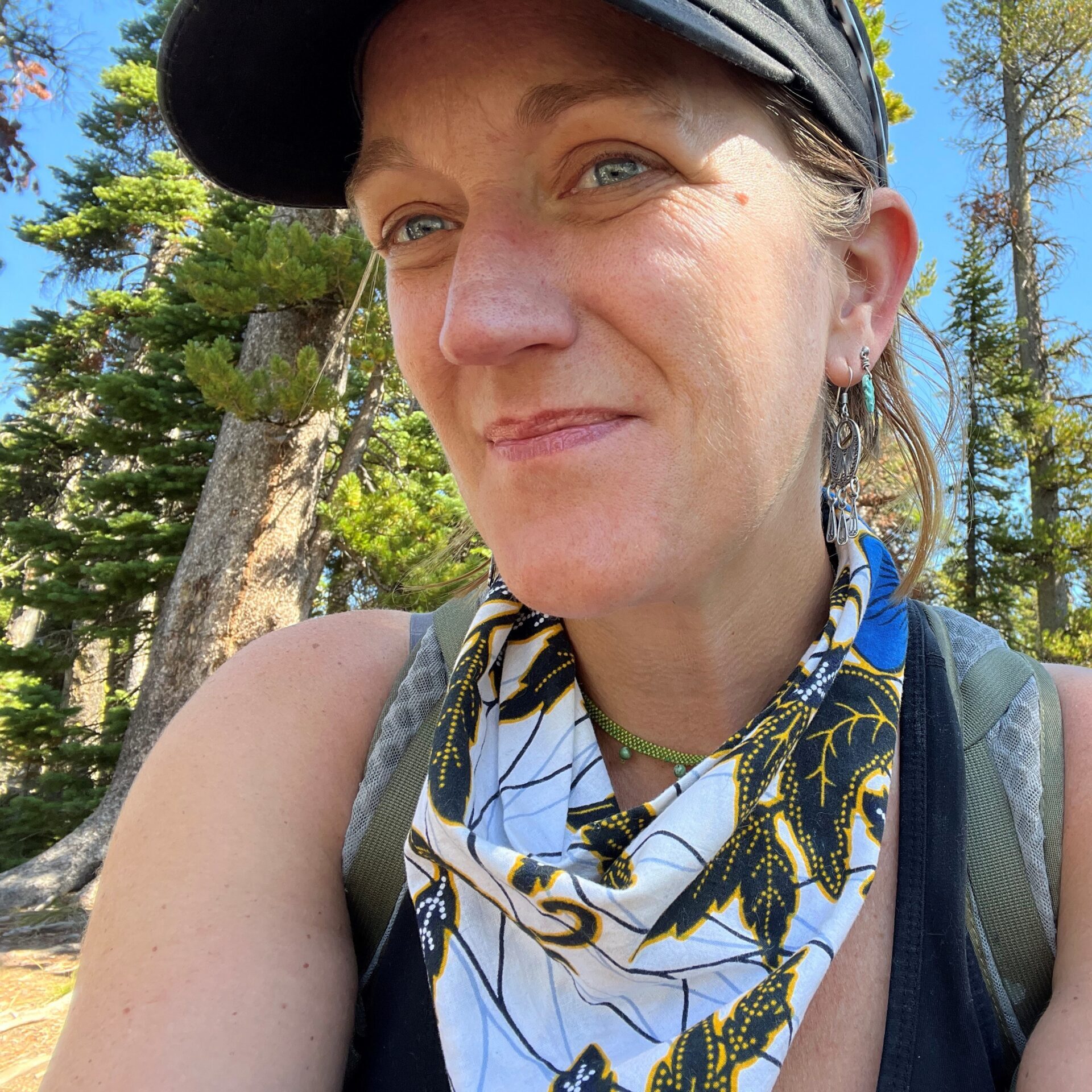 Allison Krueger
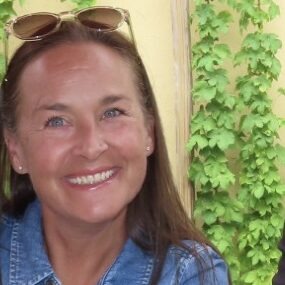 Natalie Elkins
Unpacking the Outdoor Issues
What’s happening in outdoor policy right now, and what do you need to know? This conversation will unpack the issues shaping Michigan’s outdoors, from access and recreation to natural resources and water quality. Panelists will dig into timely issues including user pay, Recreational Use Act, and standards for water recreation, and explore the policy decisions that could shape the future of Michigan’s outdoors.
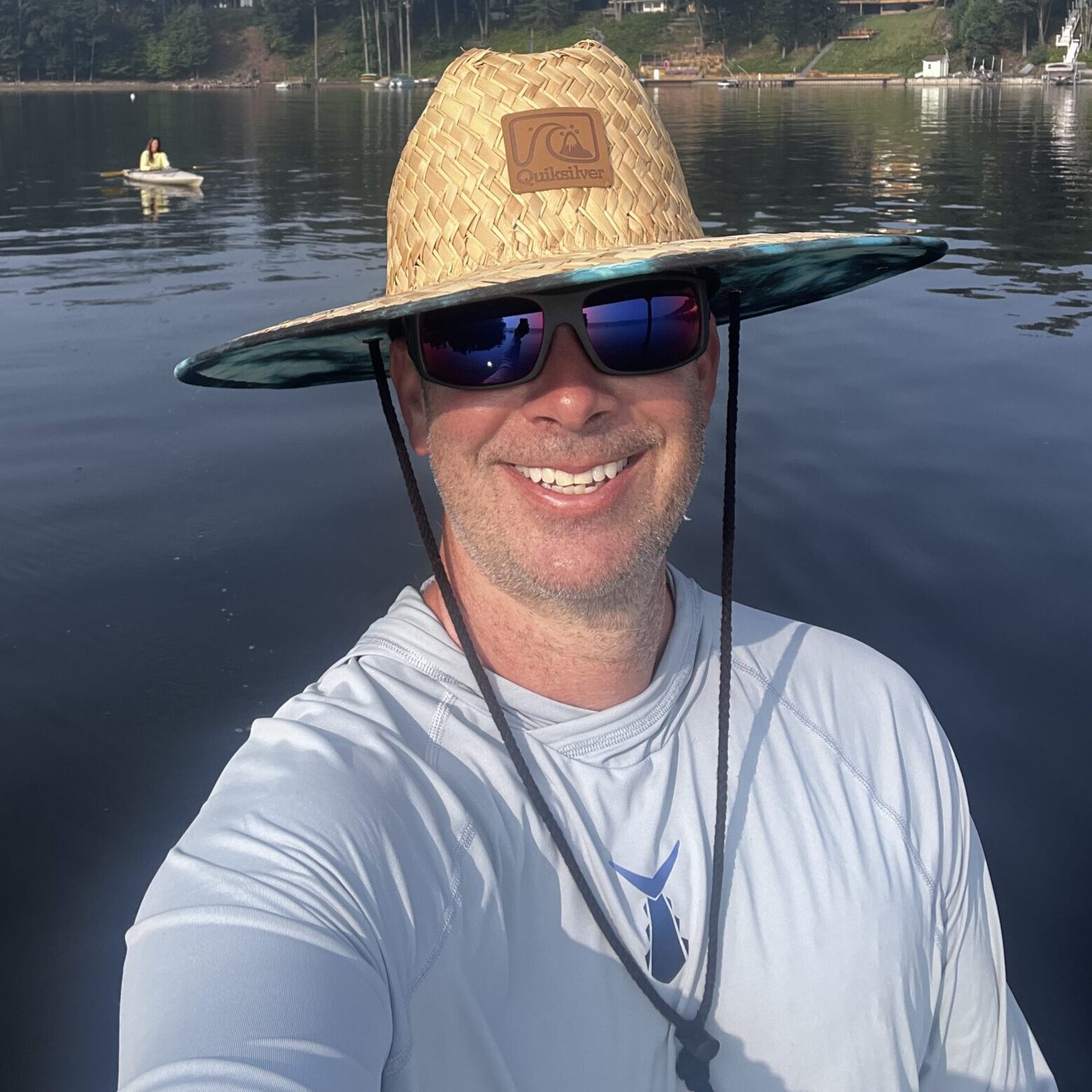 Dan Lord
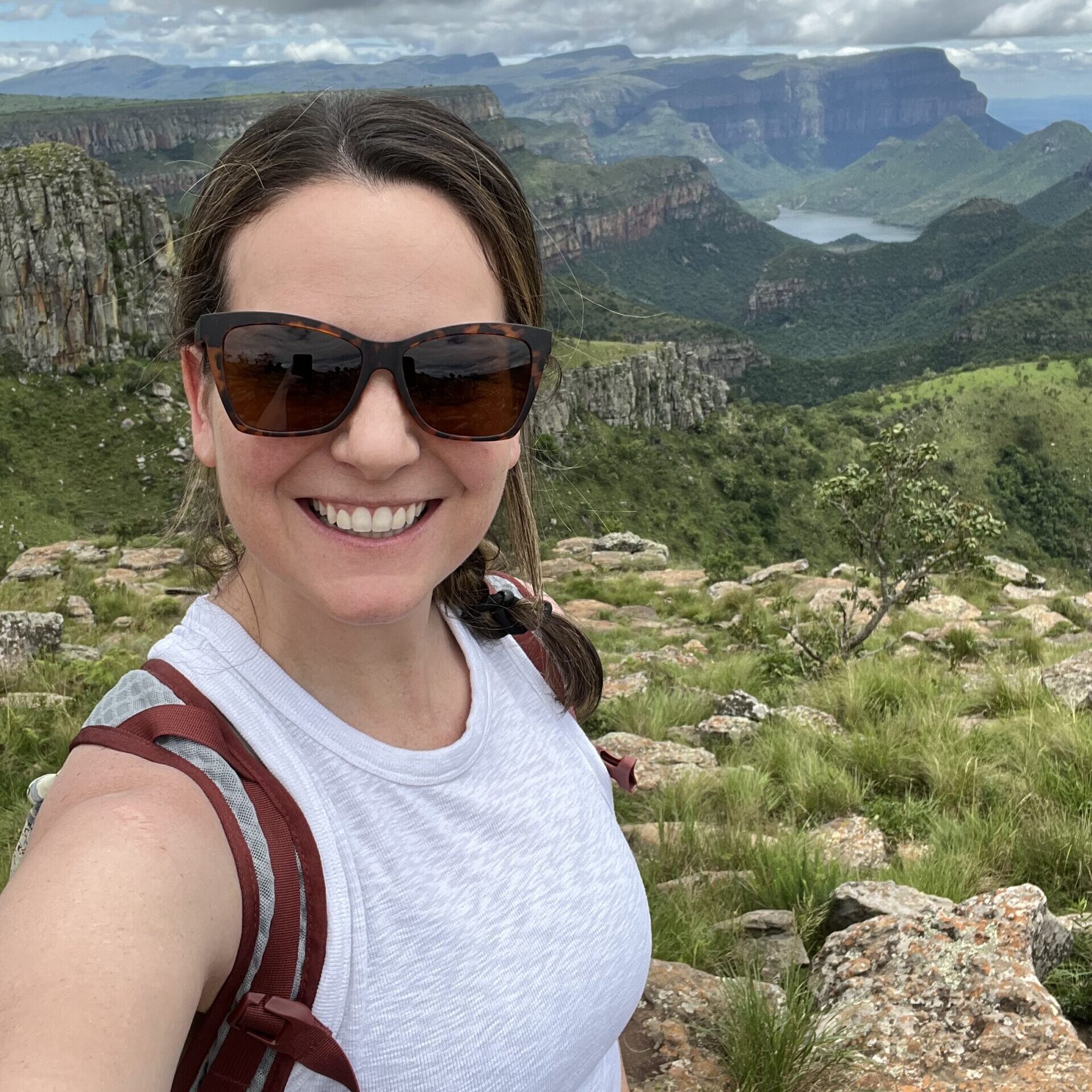 Andrea LaFontaine
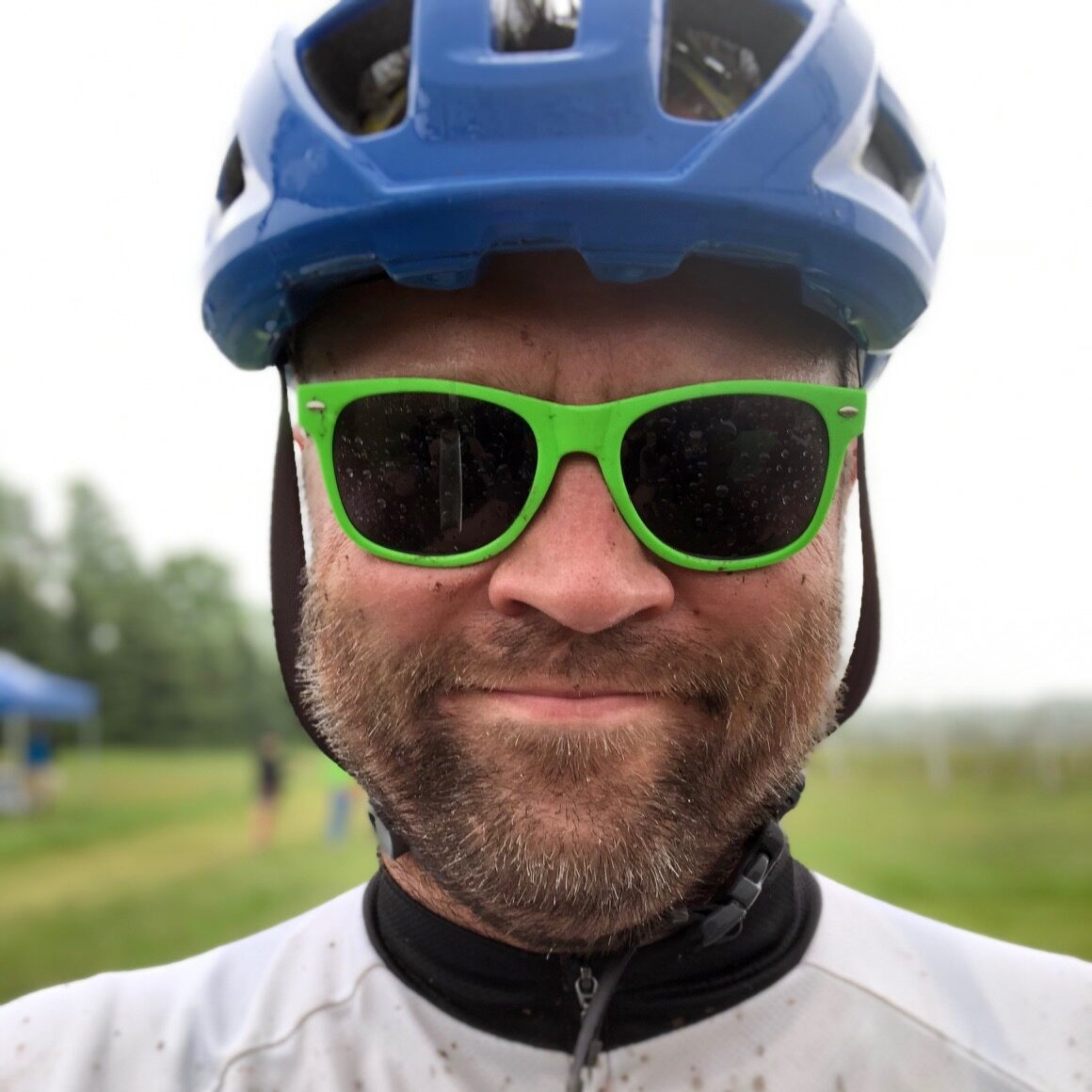 Ross Hammersley
 Molly Flanagan
Funding Sustainable Outdoor Communities
Michigan's trail towns are booming. Visitors are flooding in. But there's a catch: the taxes those visitors pay only fund marketing, not the roads, trails, and emergency services their visits actually wear down. Residents are left covering the difference through property taxes. This session asks a simple question: what if tourism dollars paid for tourism's real costs? We'll look at how Kent County expanded its lodging tax under House Bill 5048, and what new bills (HB 5138, 5139, and 5140) could mean for the rest of the state. The idea is to let lodging taxes fund the infrastructure and amenities that make a destination worth visiting in the first place, not just the ads that bring people there. We'll also tackle an outdated blind spot: lodging taxes usually only apply to hotels and motels. But today's travelers are staying in campgrounds, RV parks, cabins, and Airbnbs, places that pay nothing into the system while putting real pressure on local infrastructure. It's time the tax caught up with how people actually travel. This session isn't about whether tourism growth is good or bad. It's about making sure the places people love to visit can still afford to be great places to live.
 Jeremy Johnson
Redefining Who Preserves, Leads, and Belongs to the Land
Conservation has long been treated as something that happens within park boundaries, led by a small group of trained professionals. This panel challenges that idea, bringing together three projects from across Michigan that are redefining who gets to be a steward of the land. From transforming private yards and neighborhoods into a connected network of restored habitat, to trusting young people to lead real environmental decision-making in their communities, to reclaiming an industrial river corridor as a natural and recreational resource for the communities along it, these projects share a common thread: stewardship works best when it belongs to everyone, not just the few.
 Tyler Allyn-White
 Meag Schwartz
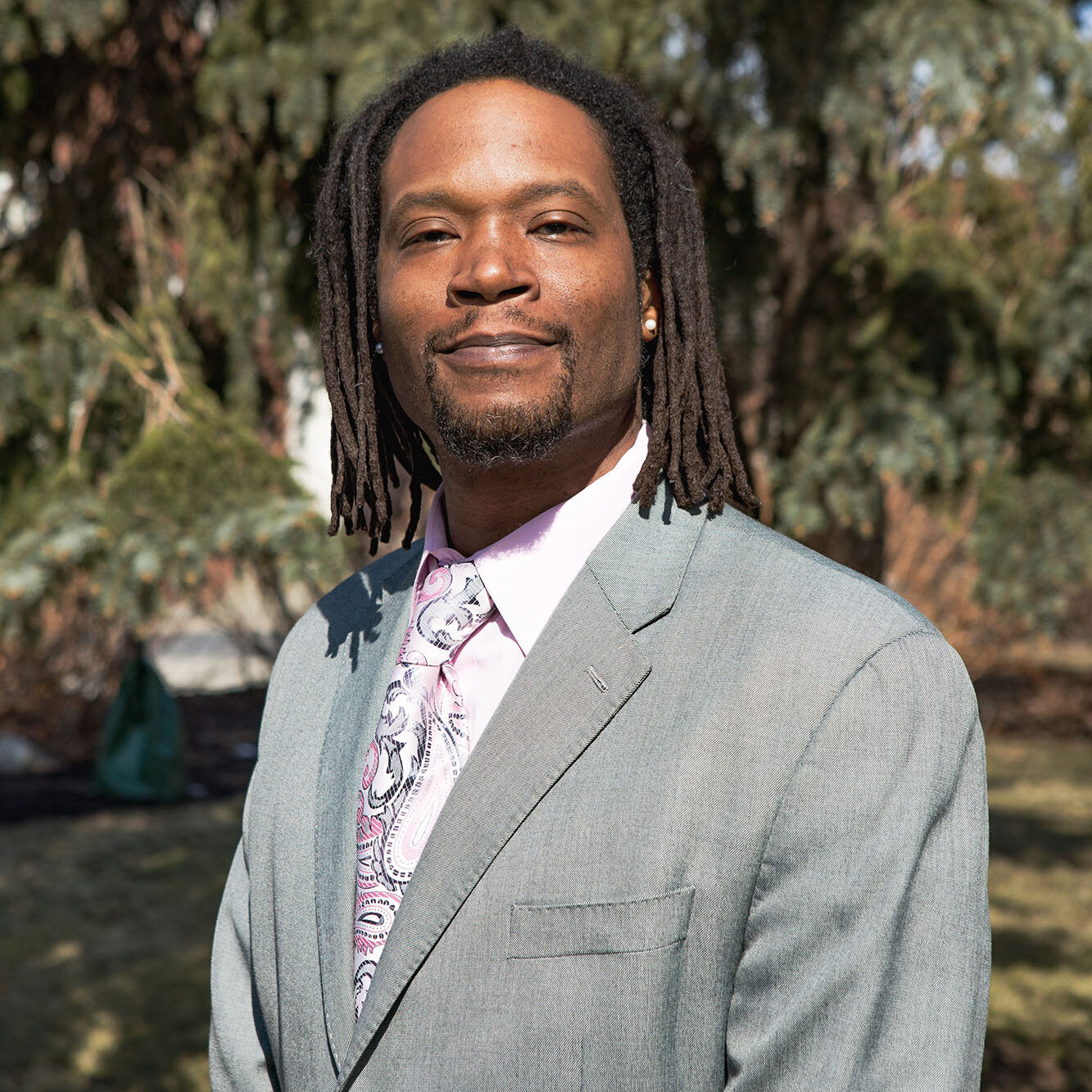 Herman Jenkins
Restoring What Connects Us
The world of conservation is one where funding is competitive, resources are limited, and support can waver. Encouragingly, it’s also a field driven by passion, grounded in collaboration, and strengthened by partnerships that create opportunity. Together, we can achieve far more than any of us could alone. The Crystal River Initiative demonstrates what is possible when tribal nations, nonprofit organizations, local governments, and community partners come together around a shared vision for conservation. Explore how collaboration restored a healthier river system while improving public access, strengthening recreation opportunities, and honoring the cultural and spiritual connections that people have with the landscape. Using the Crystal River as a case study, presenters will share lessons learned from building partnerships, navigating complex restoration projects, and balancing ecological, recreational, and community priorities. Attendees will leave with practical insights into how collaborative conservation can create lasting benefits for both people and nature, and why protecting what connects us requires working together.
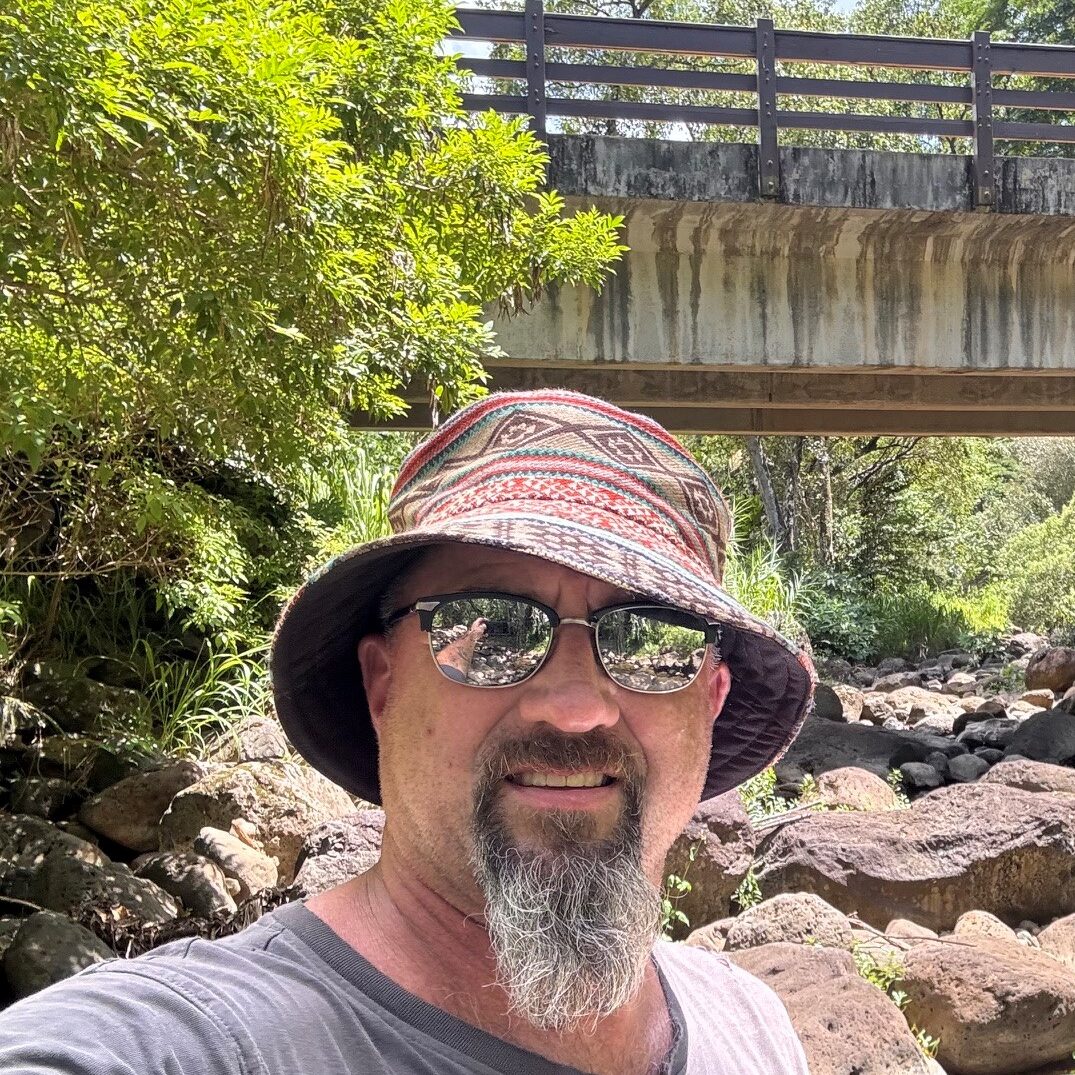 Brett Fessell
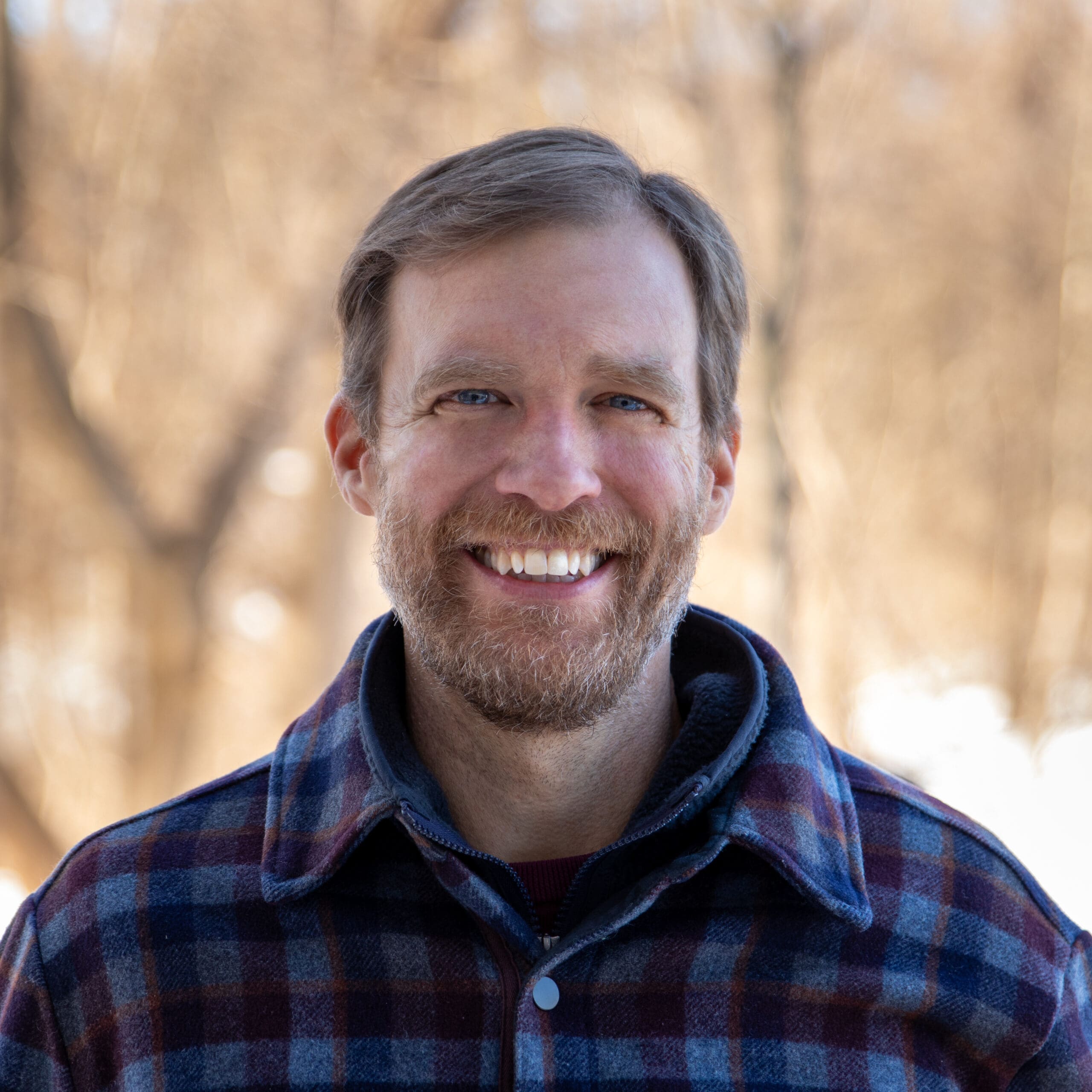 DJ Shook
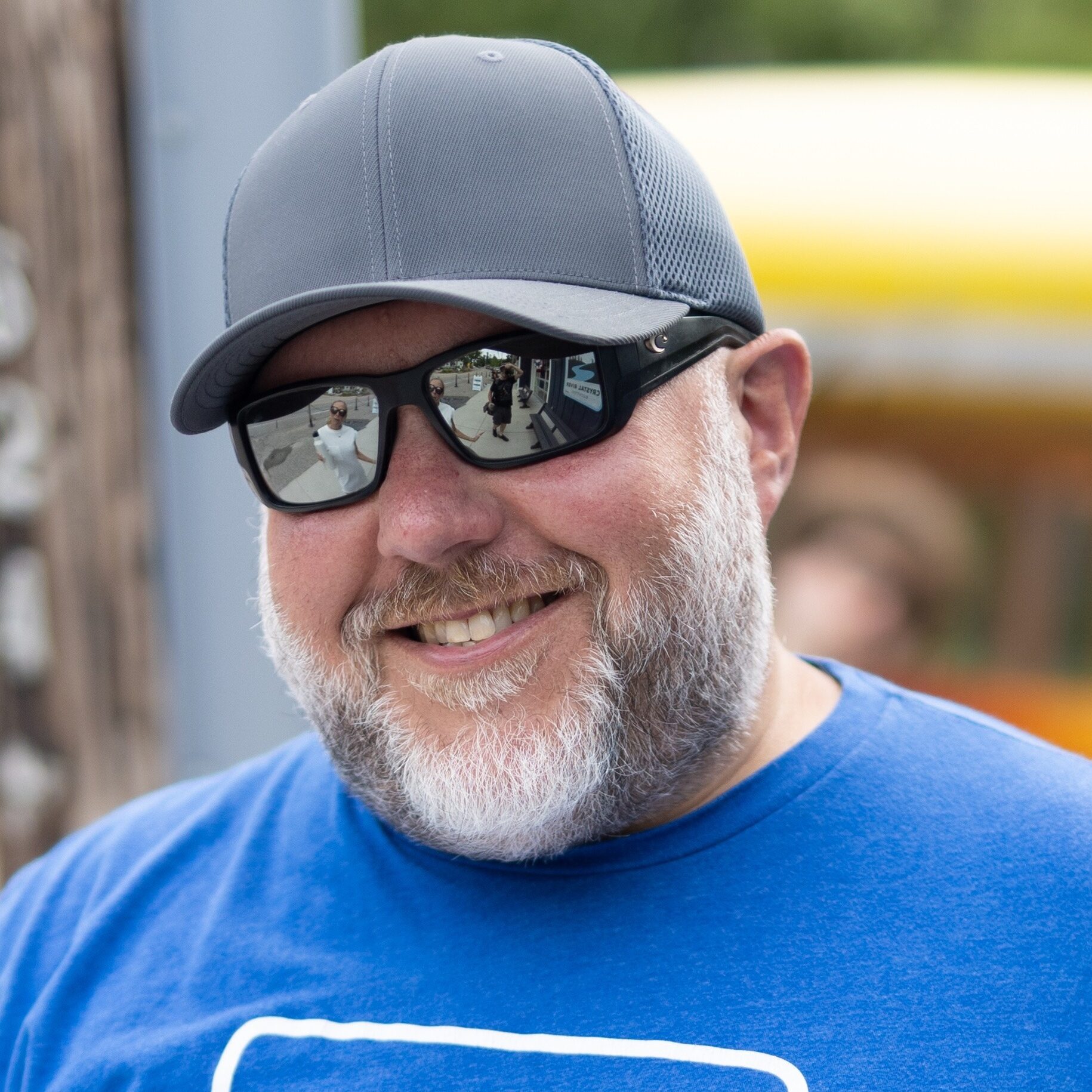 Nick Killian
Where the Wild Things Learn
As the outdoor industry evolves, so must the programs training its future workforce. This panel brings together the educators behind MidMichigan College's Hunting and Angling Studies Program and its outdoor media coursework to discuss how academic programs are adapting to prepare students for careers in hunting, fishing, and outdoor content creation. Panelists will share what it takes to build and run these programs, the skills employers are looking for now, and where student demand and industry needs are headed next. With the outdoor workforce shifting significantly over the past year and a half, this session will offer a forward-looking conversation on what the next generation of programs, and professionals, will need to succeed
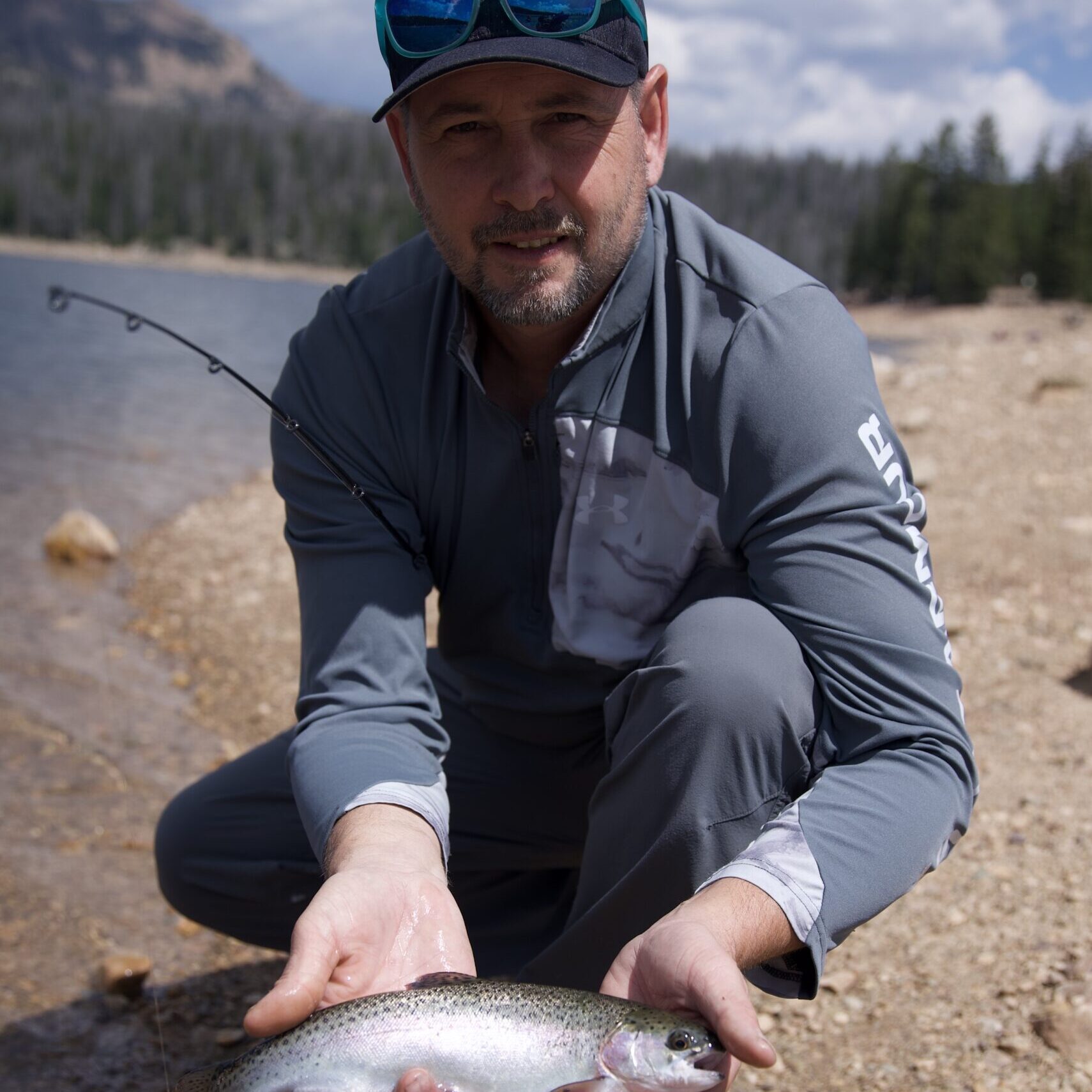 Jeremy "JJ" Mertz
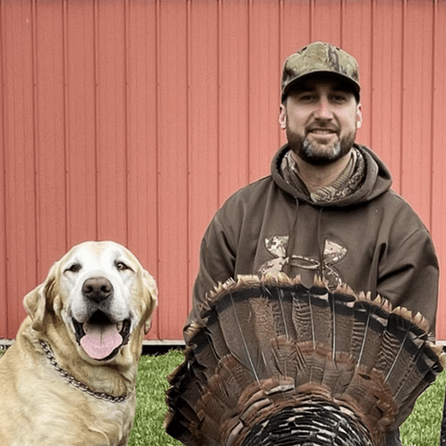 Marc Mankowski
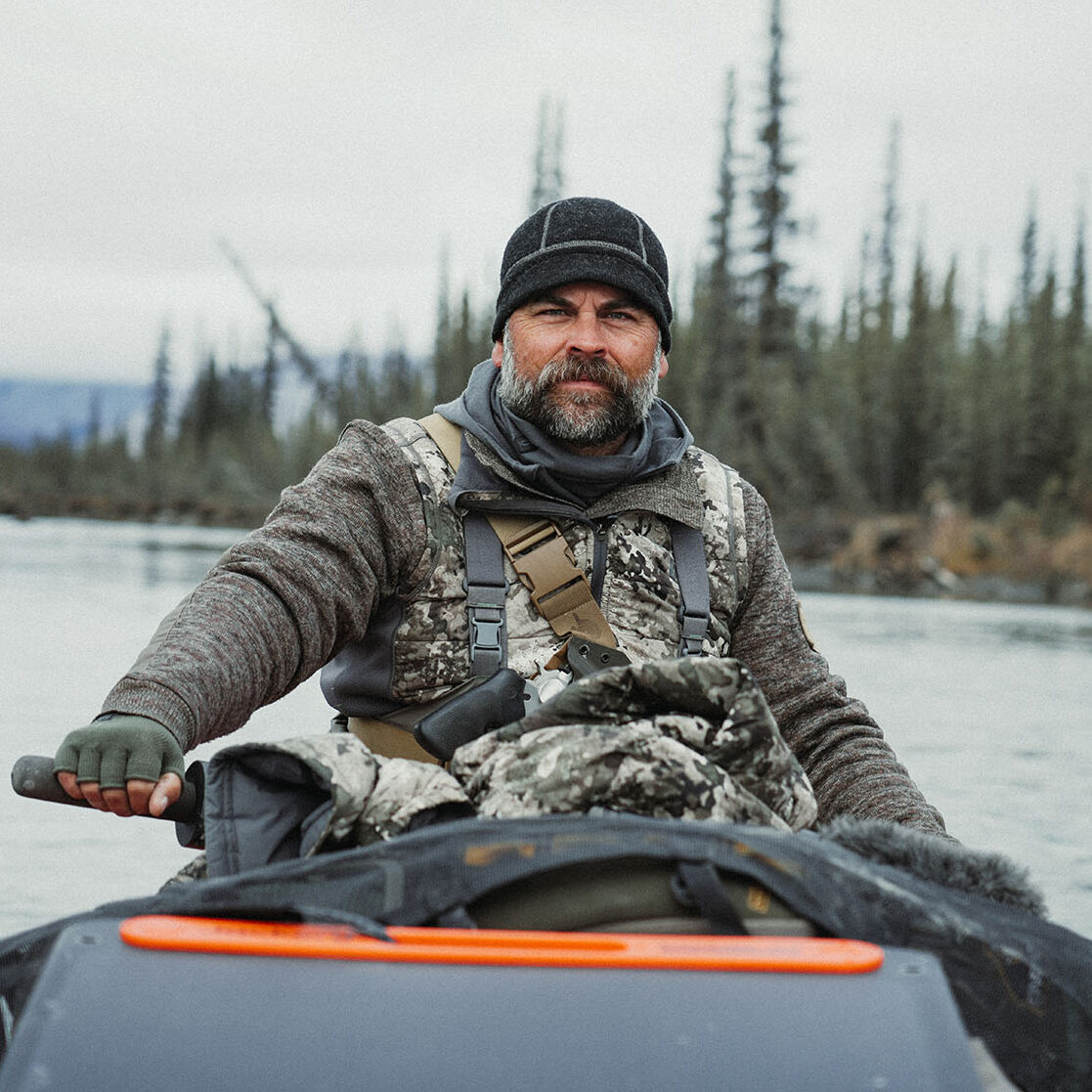 Jason Brown
Power of the Outdoor Economy
Dan Wanshura sits down with Kent Ebersole and Christina Henderson, to reflect on what they've heard throughout the day, what surprised them, and what it means for the future of Michigan's public lands and outdoor economy.
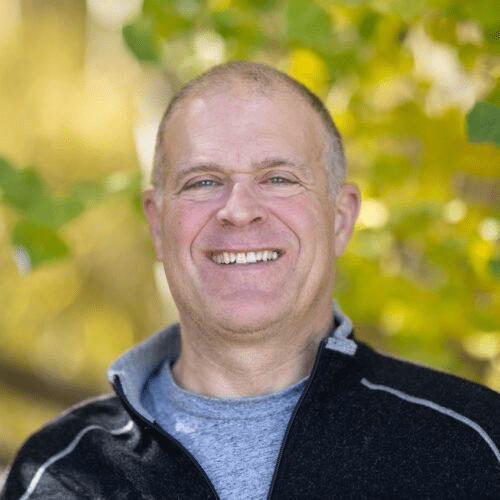 Kent Ebersole
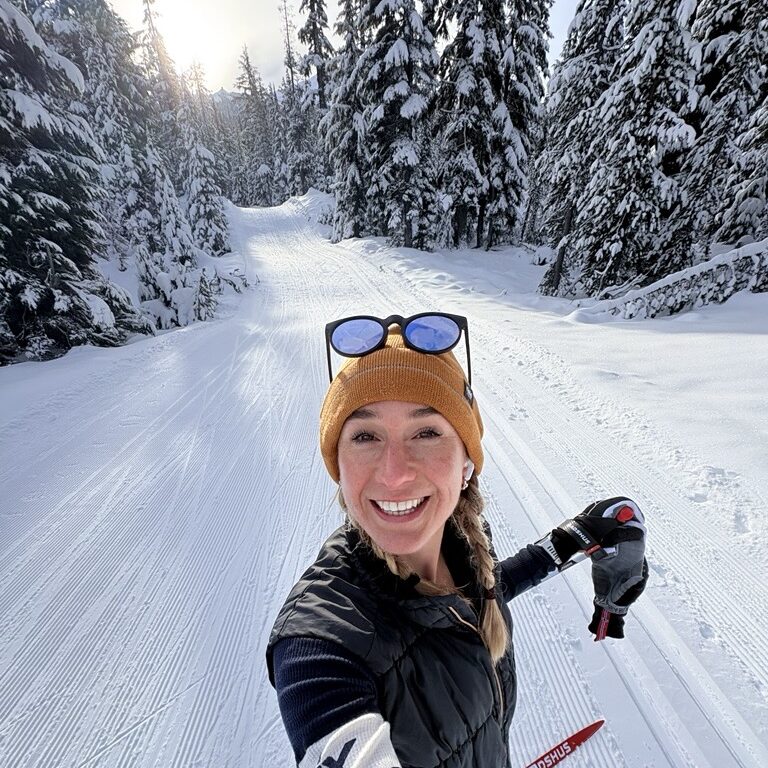 Christina Henderson
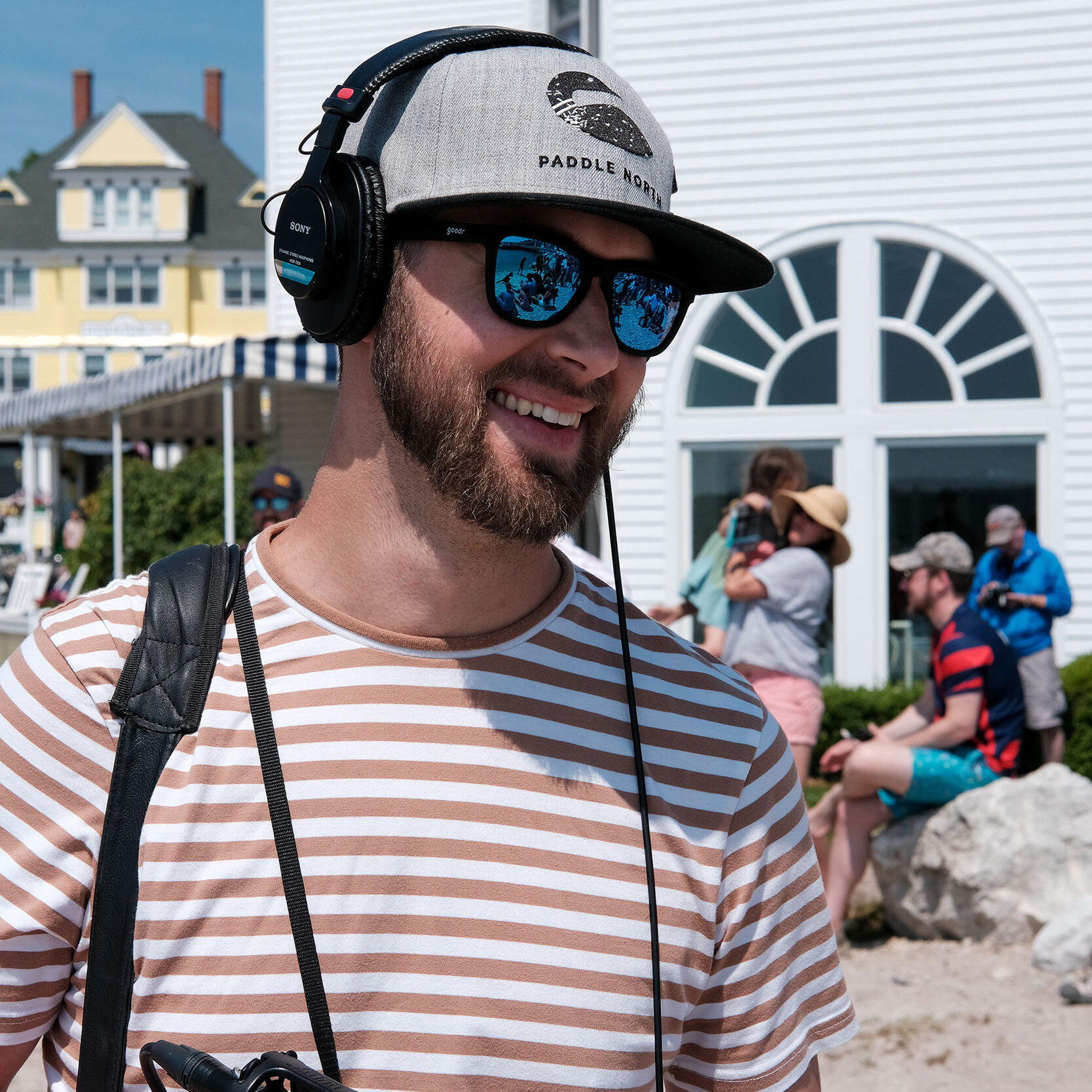 Dan Wanschura